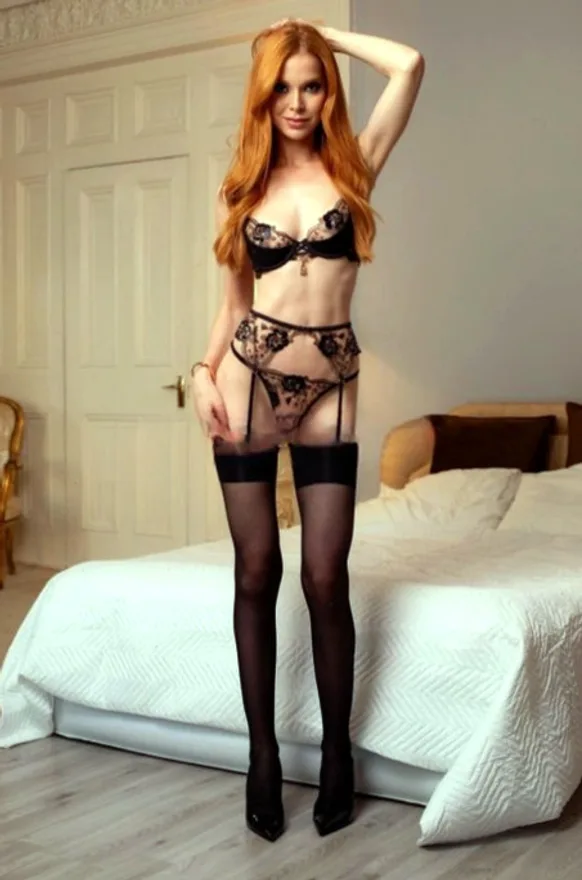
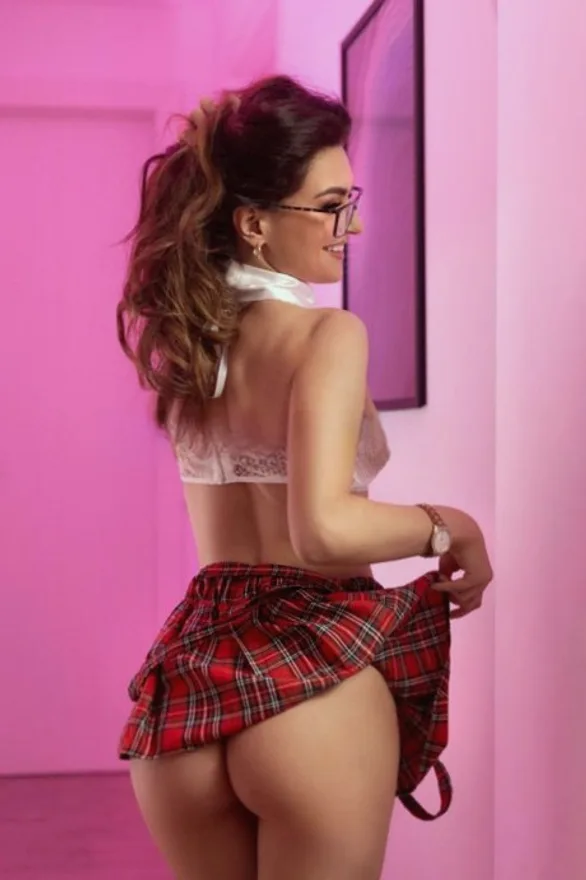
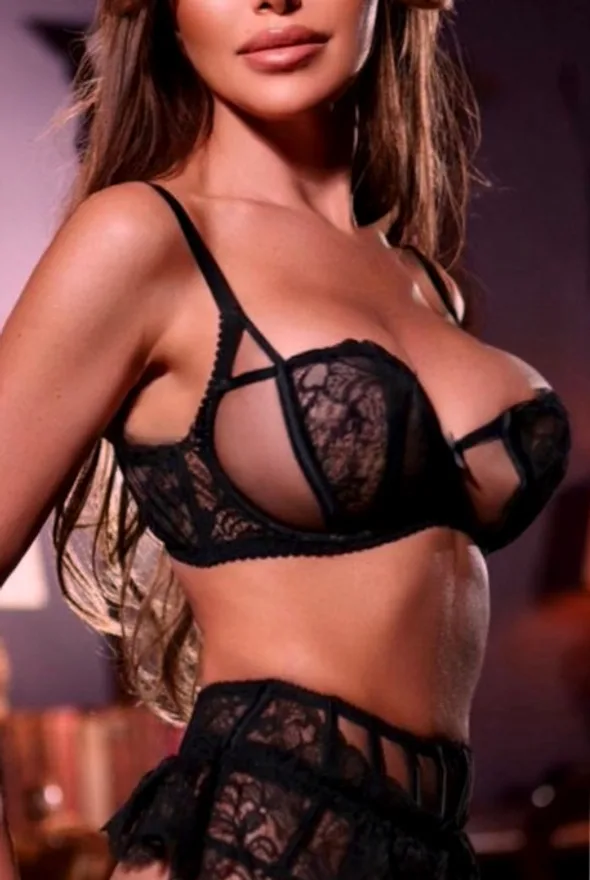
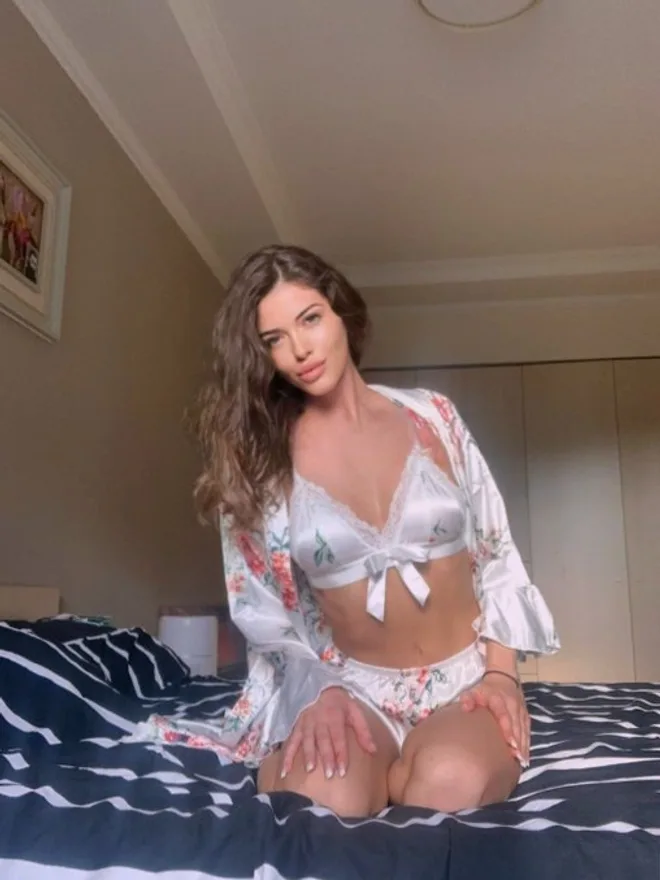
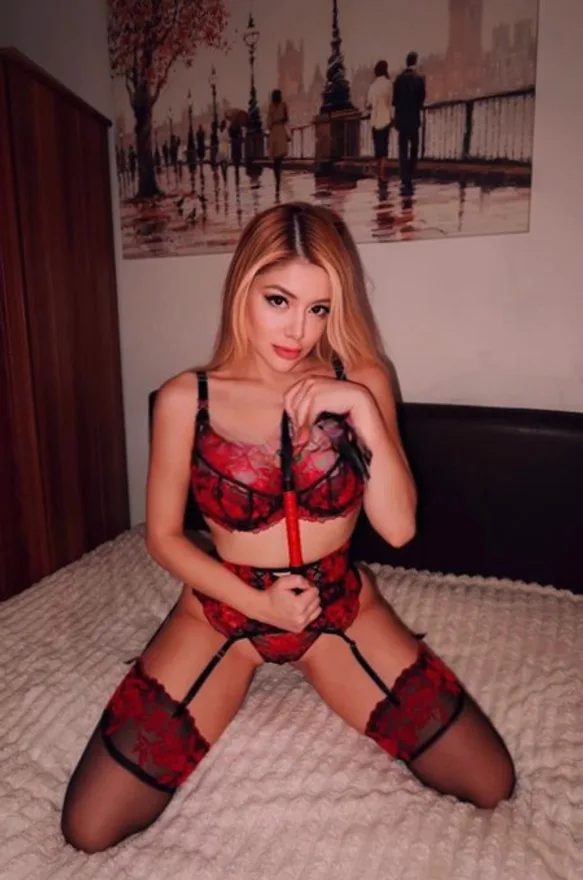
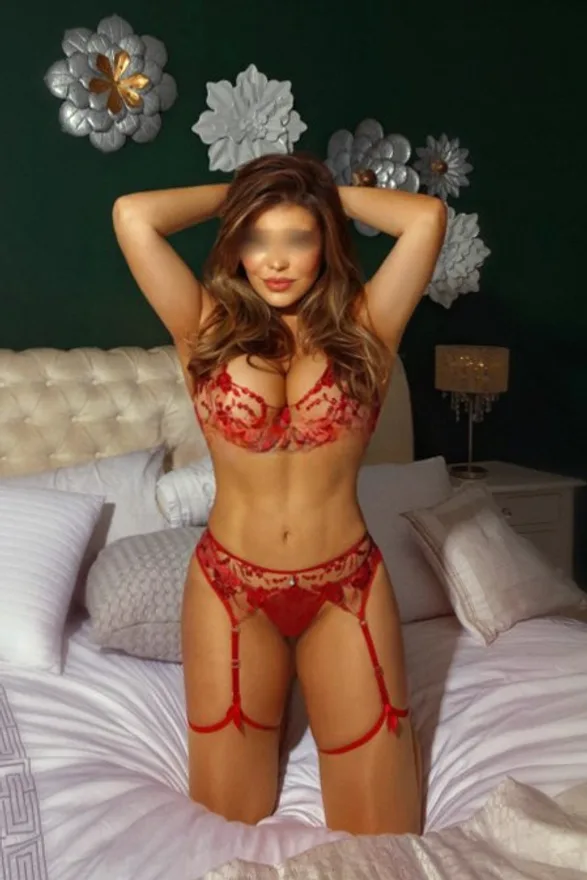
Browsing by bust type turns the catalogue into a gallery of Natural forms, each listing offering its own visual rhythm. The filter pulls together profiles where the shape is unmissable, letting you trace the line from shoulder to waist across thumbnails. As you scroll, the eye moves from one photograph to the next, catching how fabric drapes or how shadows play. It is a quiet exploration of presence, not a statement of intent, just a way to see who catches your attention.
Natural Bust Type in Profiles
When you flip through the listings, the bust type becomes a quiet lens for what draws your eye. The filter narrows the crowd to those who present a Natural silhouette, letting you compare how each profile's photographs and descriptions carry that understated form. Some profiles lean into a softer shape, while others suggest a more pronounced curve, but the page simply lays out the options side by side. You scan the thumbnails, noticing how light falls differently on each, and start to sense which ones make you pause. It is a browsing ritual that turns a click into a slow appraisal of what you find most magnetic.
Reading Natural Bust Introductions
Reading deeper, the introduction becomes a place where the silhouette takes on a more personal character. A profile might mention how a Natural bust complements a particular posture or the way a blouse falls, but the text rarely shouts; it suggests. You compare the words with the images, noting which details recur and which feel like afterthoughts. The act is not about judging or measuring, but about tracing the invisible line between what is shown and what is implied. With each scroll, you build a mental catalogue of shapes and tones, letting the differences settle into a clear preference. By the time you close the page, you know exactly why this category held your attention from the first glance.